Spiritual awakening · kundalini yoga
Third eye meditation in kundalini yoga with Lexa
In kundalini yoga, the tradition Lexa teaches, most kriyas and meditations are done with the eyes closed and the attention gathered at the point between the brows. This is the third eye, ajna in the old language. Nobody opens it by force. You come back to it again and again, with breath, mantra and sound, until the noise thins and something behind it becomes visible.
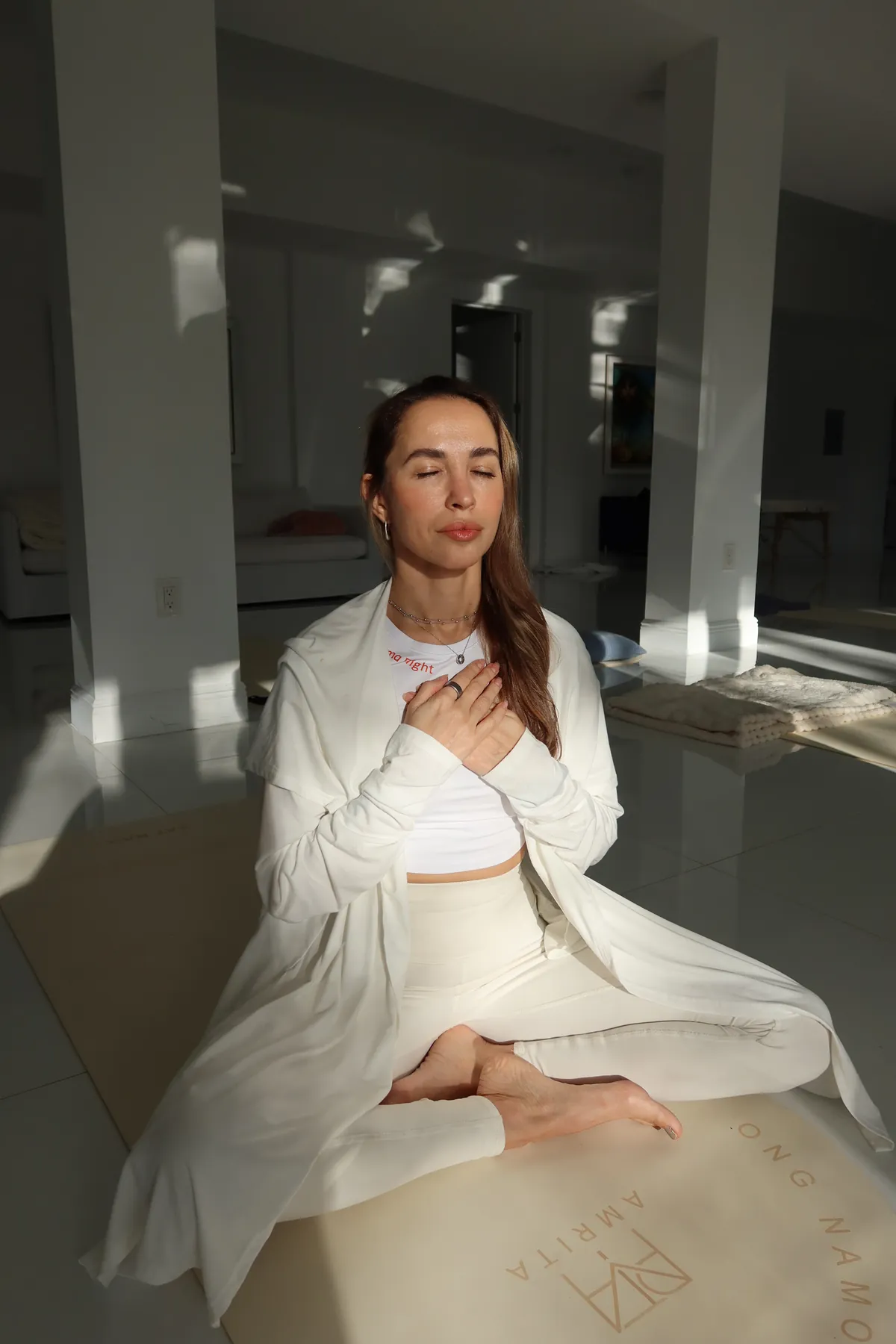
What it is
The third eye in the language of the practice
On the yogic map of the body the sixth chakra, ajna, sits between the eyebrows and slightly above them. Tradition ties it to intuition, to inner sight, and to seeing a situation as it is, without the story you have told yourself about it. Many schools speak of it, and in kundalini yoga it is worked with every day.
The instruction is simple. Sit with a straight spine, close your eyes, lift the gaze gently to the point between the brows and keep your attention there. Breath, movement and mantra all return to that point. For beginners the attention wanders off every few seconds. That is the practice itself: noticing, and coming back.
What people experience is their own: light behind closed eyelids, pressure or warmth in the forehead, images, a sudden silence. None of it is an exam. What matters is staying at that point. Visions come, or they do not.
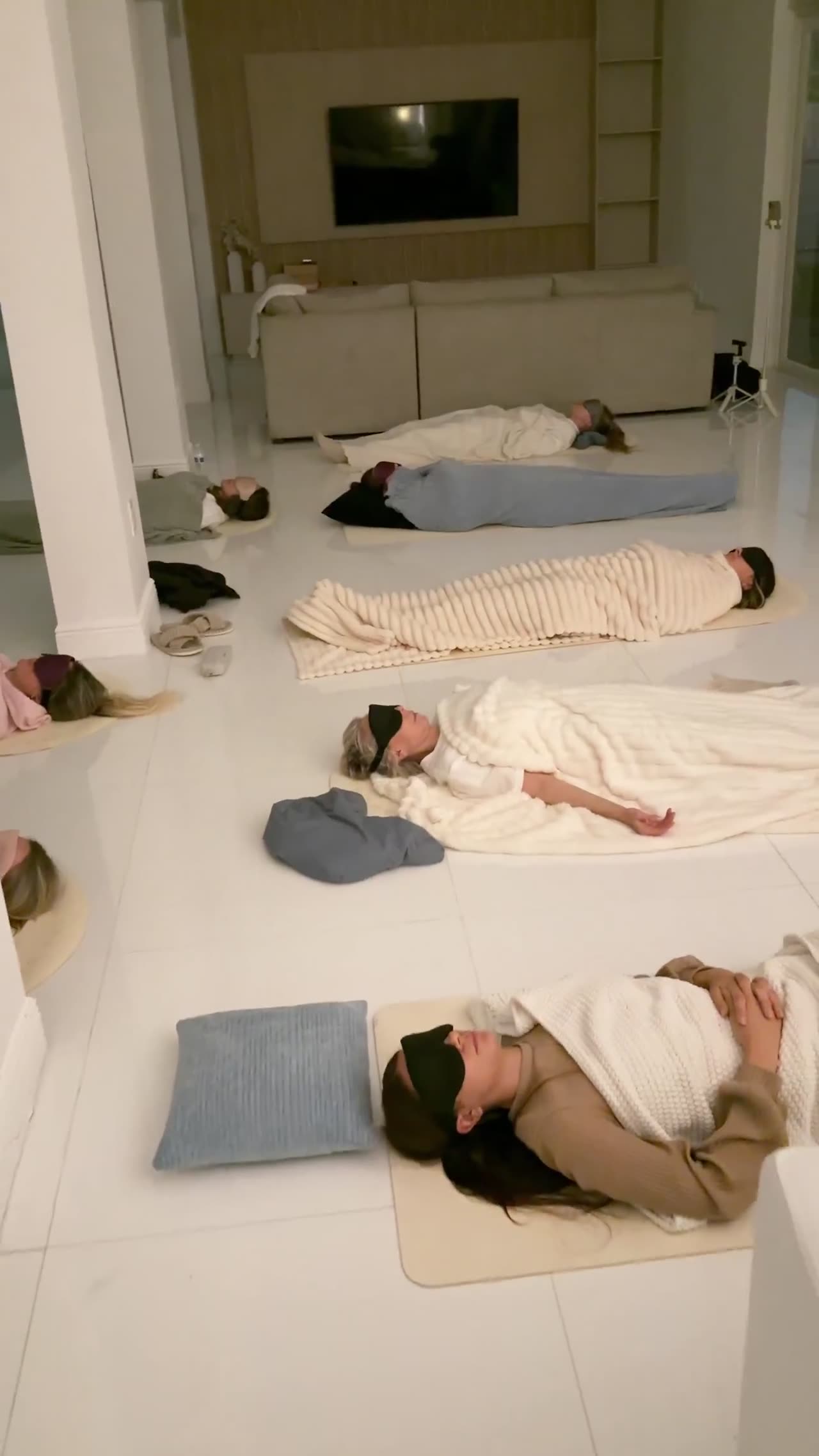
With Lexa
How the practice runs on her retreats
On Lexa's retreats kundalini sets are part of the days: a kriya of breath and movement that wakes the spine, then a meditation with the eyes closed and gathered at the brow point, and sound after it, from bowls, gong and her voice.
No experience is needed. Lexa adapts the sets to whoever is in the room, explains everything as she goes, and leaves the intense breathing optional. When your neck or eyes tire, you rest them and come back.
In Sedona the same attention goes outside. At Airport Mesa or in Boynton Canyon the meditation happens in front of the red rock, and the point between the brows meets a horizon instead of a wall.

At home
How to open the third eye: beginning at home
You can begin before any journey. In the morning sit for 3 minutes with a straight spine, close your eyes, lift the gaze to the brow point and breathe long and slow through the nose. Add a minute each week. The days you skip matter less than the days you come back.
In kundalini yoga the attention at the brow point is often held together with the mantra Sat Nam: Sat on the inhale, Nam on the exhale. It makes staying easier, because the mind has something to do and the breath has a rhythm. If the mantra still feels foreign, count your breaths up to 10 and begin again.
Three free meditations on this site are in Lexa's voice. They are guided meditations, and with them you can get used to her pace and her voice before you sit in a room with her.
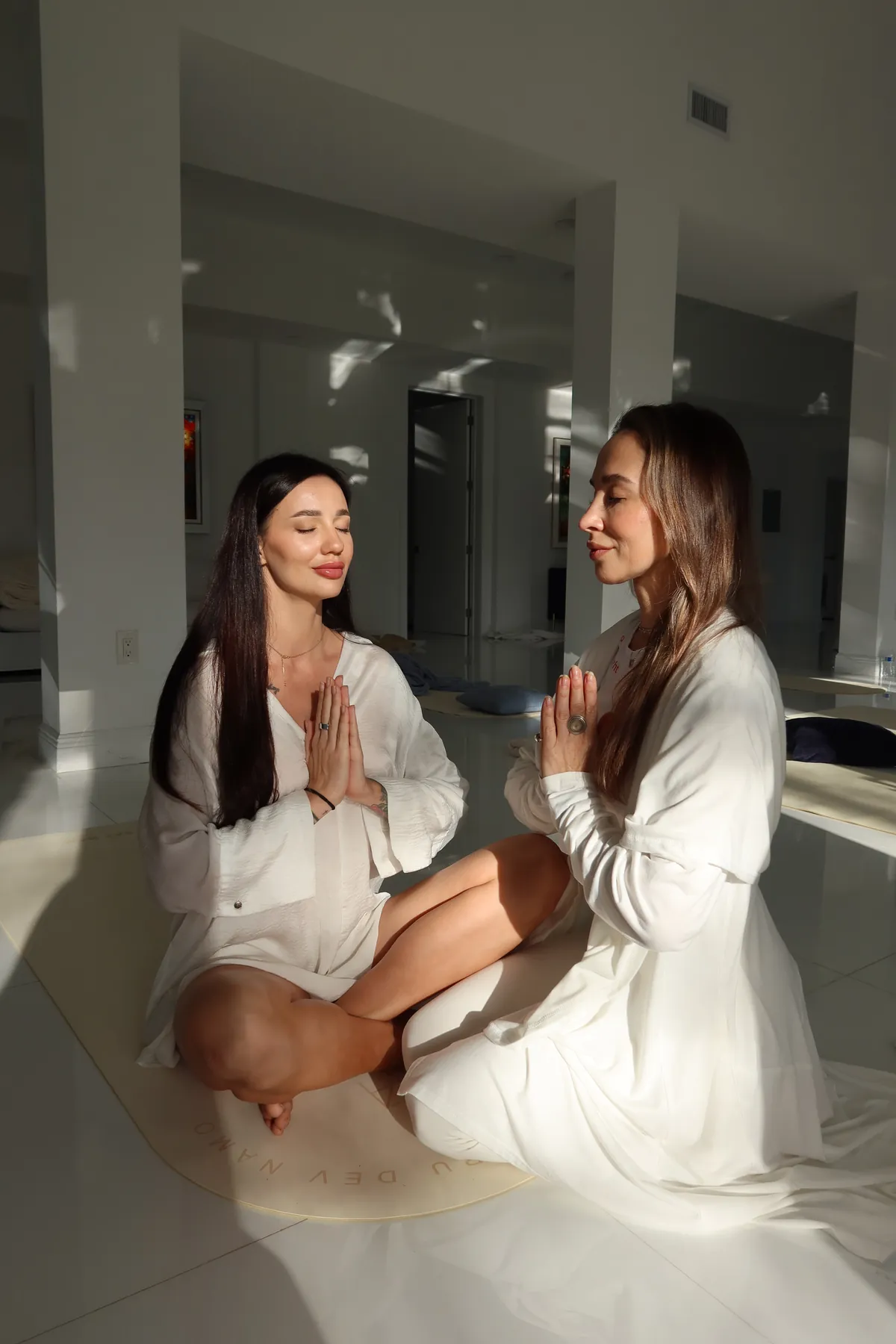
Who guides it here
Who teaches it
One guide on this page, because this is her tradition.
Where and when
Where to practise it with Lexa
Shasta and Sedona were Lexa's. Kauai and Miami reach the same quiet by other roads.
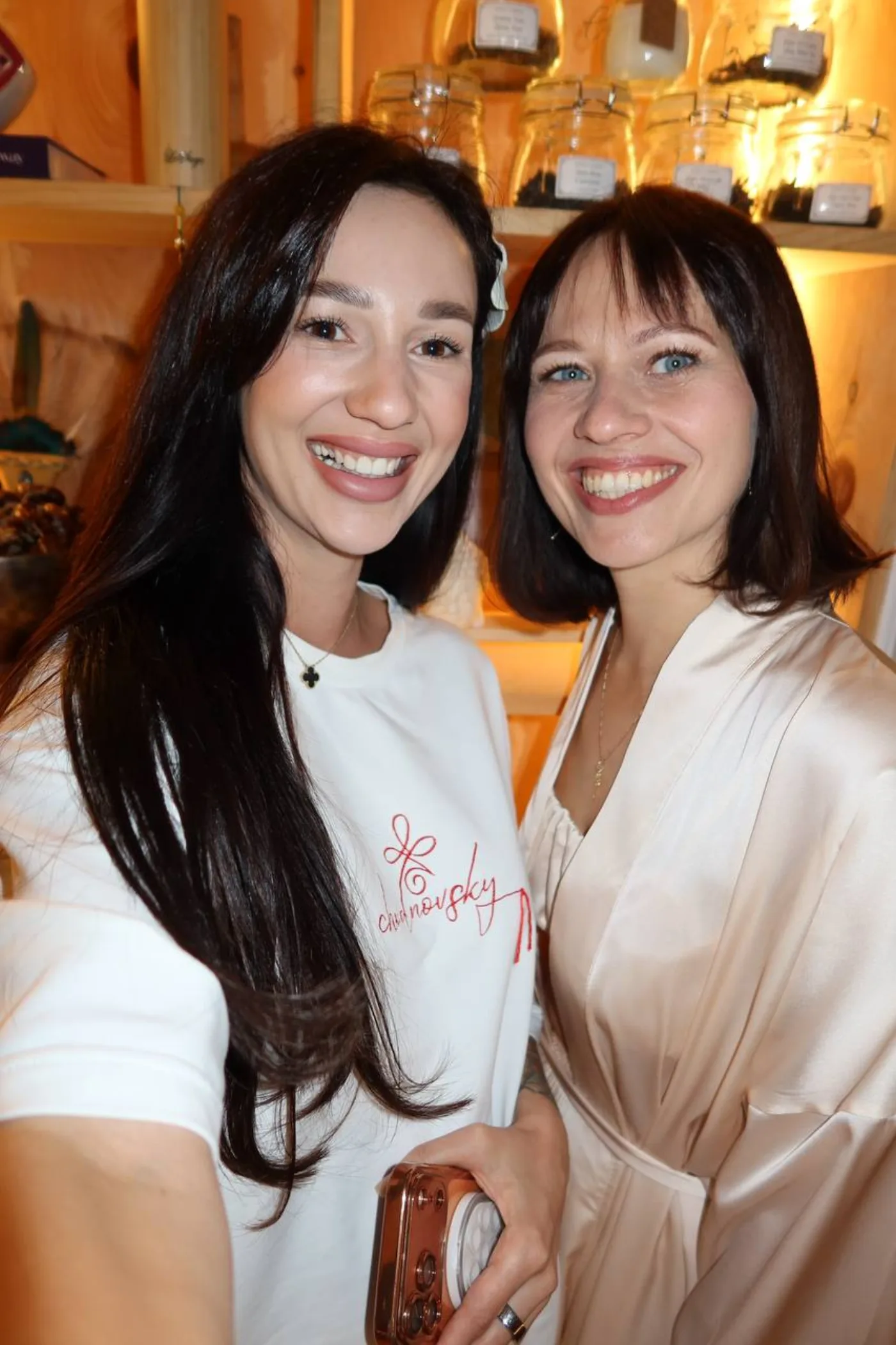
Miami, Florida
Universal Therapy with Evgenia Arkhipenko in a Miami house: work with the field and the family line. Milena Chernomorets curates the retreat.

Sedona, Arizona
Kundalini through the days, meditation at the red rock, 5 nights in a house in West Sedona.
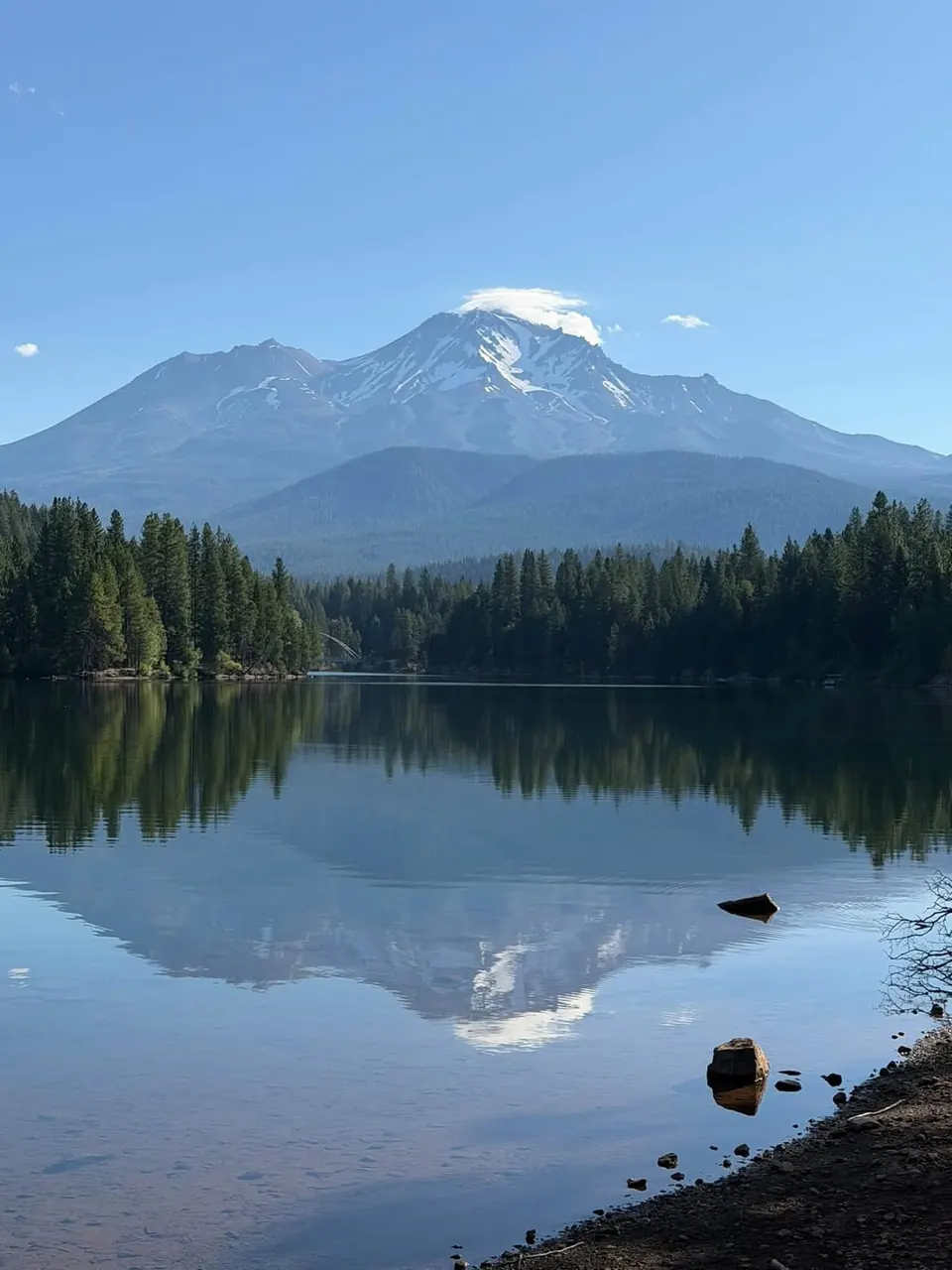
Mount Shasta, California
Lexa's September retreat at the mountain, with movement, breath and meditation.
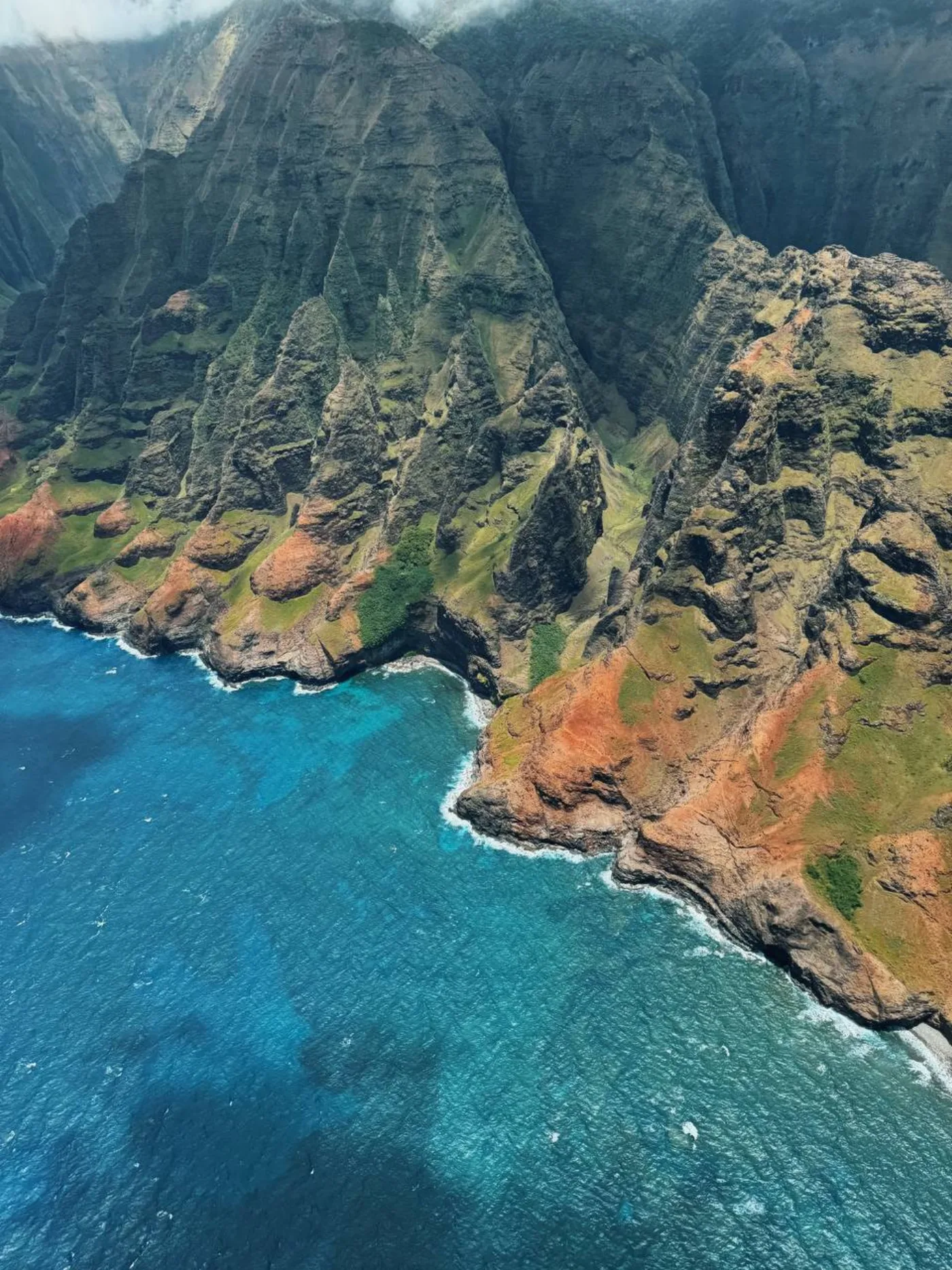
Kauai, Hawaii
Evgenia's retreat on Kauai: breath and energy practice by the ocean.
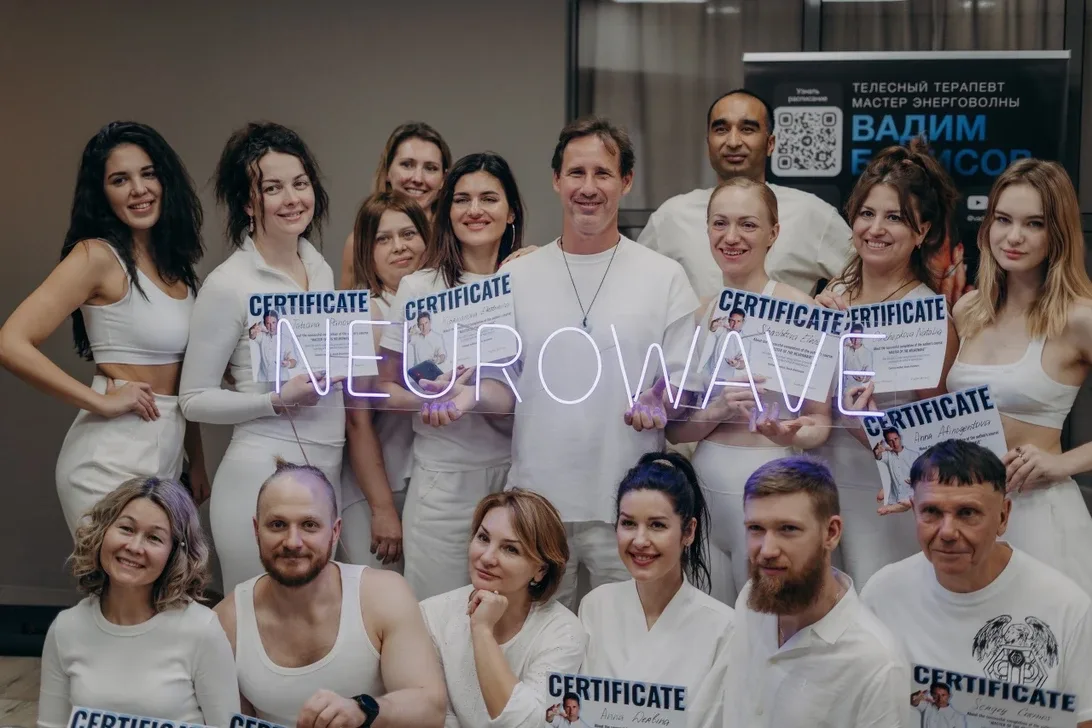
Miami, Florida
Vadim Borisov's NeuroWave course. Attention goes into the body rather than the brow, 4 days in Miami.
Questions
Before the first practice
Is it safe to focus on the third eye?
For most people it is a gentle practice. If your head aches or you feel dizzy, open your eyes, soften the gaze and breathe as usual. Tell Lexa before practice about anything in your health she should know.
Do I need to know the chakras?
No. A straight spine and some patience are enough. Everything else is explained in the room.
Further