Black Moonstone: Meaning, Properties and How to Use It
Black moonstone is read as the dark moon counterpart to the white stones: beginnings that need privacy before they need momentum. Traditions link it to rest, protection of an idea in its unformed stage, and letting something gather in the dark. It is a slow stone by reputation.
What tradition says
What is Black Moonstone known for?
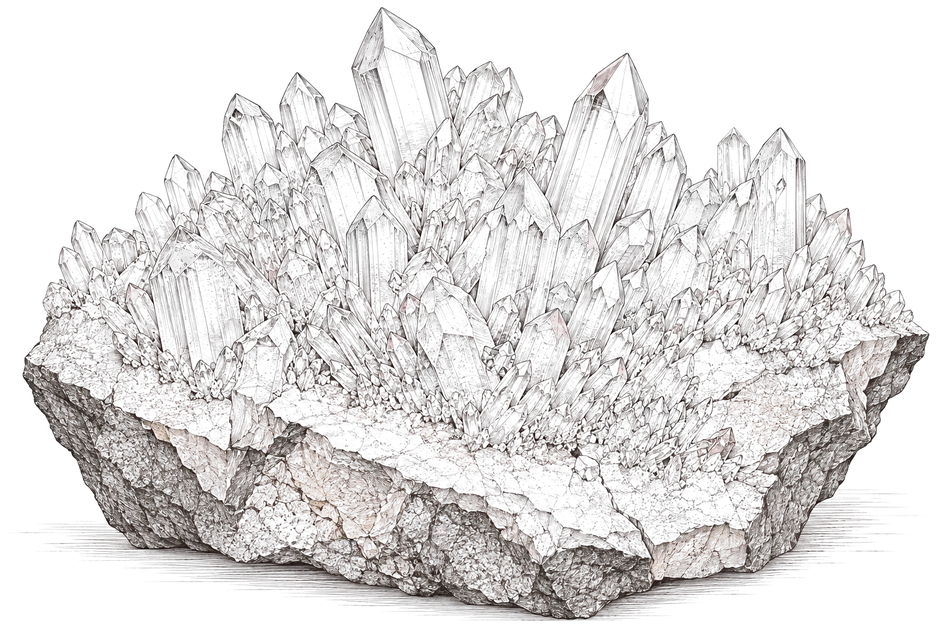
A Madagascan feldspar, grey to charcoal with silvery and sometimes peachy sheen, black moonstone appeared on the market only in the last fifteen years or so and has no old tradition behind it. Modern practice attached it firmly to new moon work, where the white stones felt too bright, and gave it a second role: protecting the part of a plan you should not be talking about yet.
The practice
How do you use Black Moonstone?
Use it on the dark nights of the month rather than the full ones.
People write an intention, fold the paper, and set the stone on top of it for a few days without rereading.
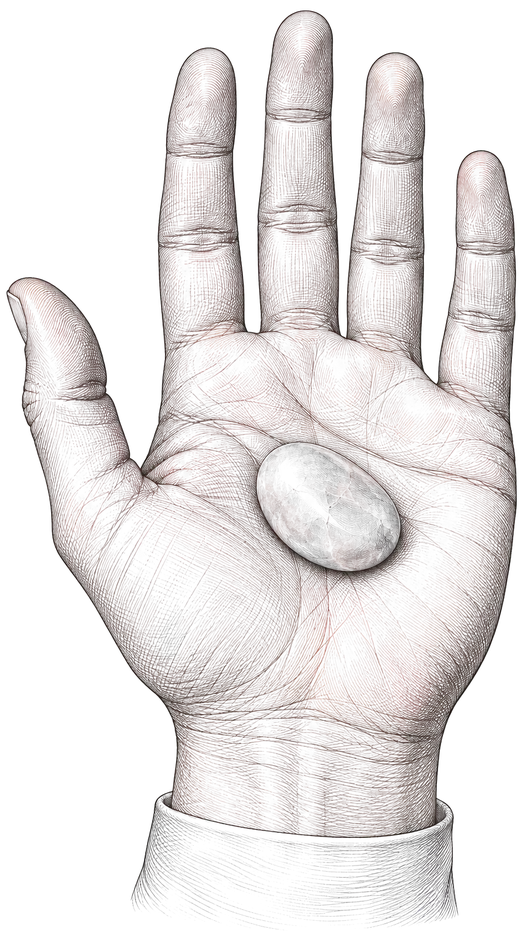
Carried, it is treated as a private stone: kept in a pocket rather than worn where it will be asked about.
Read here as a language of symbols. Medical, legal and financial questions belong with a professional.
Two more
What does Black Moonstone pair with?
Stones are kept in small sets rather than alone, and these two are the usual company for this one.
What it is kept for
What do people reach for Black Moonstone for?
The same stone, read through the thing you came here with.
Questions
What else do people ask about Black Moonstone?
How is it different from labradorite?
Chemically they overlap; visually black moonstone is paler, greyer and softer in sheen, with a matte body rather than labradorite's dark flashing base. Sellers sometimes use the names loosely.
Do I need both black and white moonstone?
No. People who follow the moon closely like having both halves of the month marked, but one stone used consistently does everything a ritual needs it to do.
Next in the library
The stones beside this one.
Two ways on
One stone is a reminder, a library is a map.
A hundred and four stones and sixty four everyday uses, sorted the way a week arrives. If you came here through the body rather than the mineral, the seven chakras are the other way in.
- 104
- stones, each with what tradition says
- 64
- everyday uses, six stones under each
- 7
- centres, the same set read through the body