retreat curatorby milena chernomorets

Reiki

Reiki: An hour of stillness, two warm hands and one honest question about what is happening

Reiki is a Japanese hands-on practice in which a trained person rests their hands on or just above your body while you lie still and fully clothed, usually for about an hour. Practitioners describe themselves as channelling a universal life energy toward whatever needs it. Most people who try it report warmth, heaviness, deep sleepiness and sometimes tears, and those responses are real. What controlled research has not shown is that anything is being transferred, because trials comparing trained practitioners with untrained people copying the same hand positions rarely tell the two apart. The honest summary is the one the National Institutes of Health gives, safe but unproven, and that still leaves real reasons to want an hour of it.

Japan, the nineteen twentiesSafe but unproven
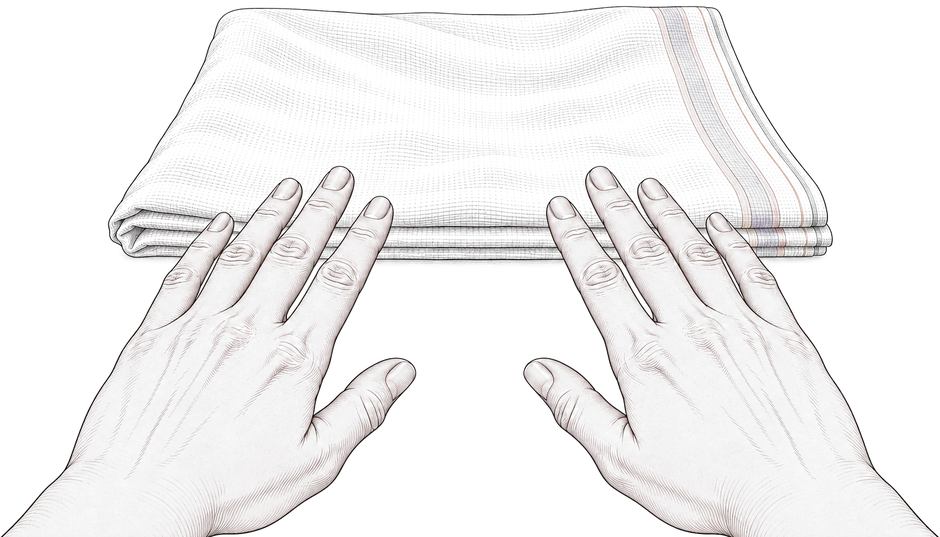
Two open palms held face down over folded cloth, a couple of fingers of air between them and the cloth

Three ways on

Lie down for an hour, or learn to do it with your own hands.

People arrive here from two different places. Some want to know what a session is and whether it is worth booking. Others have already been and want the levels, the attunement and the honest price of a certificate. Both roads are here, and so is the wider family this practice belongs to.

What is reiki actually?

Reiki took its present shape in 1920s Japan around a teacher named Mikao Usui, who taught it not as a therapy but as a spiritual discipline with precepts, meditation and hand positions. The word joins two ideas, something universal and sacred, and the life force that runs through living things. Usui taught Chujiro Hayashi, Hayashi taught Hawayo Takata, and Takata carried the practice to Hawaii and then across North America after the Second World War, where it gradually became something people book by the hour. A practitioner will tell you they are not healing you and not spending their own strength. They describe their work as letting something pass through them, after which your body does whatever it does with it.

What actually happens in a session?

You book an hour, sometimes ninety minutes for a first visit. It starts with a short conversation about why you came and whether anything in your body hurts. Then you lie on a padded table fully clothed, shoes off, usually under a blanket. The practitioner moves through a set sequence of hand positions, beginning at the head and working down, resting their hands lightly on you or holding them a few centimetres above. There is no massage, no manipulation, no oil, no talking unless you want it. Most of the hour is silence with perhaps some low music. At the end they bring you back slowly, offer water and tell you what they noticed. Nothing is diagnosed and nothing is prescribed.

03

What do people report feeling?

Warmth is the most common answer, often surprising warmth, as if the hands were hotter than hands. After that come tingling, a heavy sinking feeling, twitching legs, sudden deep sleepiness, and tears that arrive with no story attached. A fair number of people feel almost nothing and lie there mildly bored. All of this is exactly what an hour of stillness, warm touch and the undivided attention of another human being tends to produce in a body that has not had any of those things for a while. Saying so does not make your experience invented. Your nervous system genuinely dropped into a lower gear, you genuinely cried, and the explanation being an ordinary one takes nothing away from the hour.

04

What does the research actually show?

This is the part worth being exact about. The strongest test of reiki compares a trained practitioner with sham reiki, where someone untrained holds the same hand positions for the same hour. In the trials that have done this, people cannot reliably tell the two apart and the outcomes do not reliably differ. Where measurable effects appear, mostly modest reductions in anxiety and in self-reported pain, they track with relaxation and expectation rather than with whose hands were there. That is a genuine finding, not a dismissal. An hour of calm attention does something real to a nervous system and is worth having on those terms. It is simply a different claim from energy passing between bodies, and only the first claim has evidence behind it.

Twelve positions, head to feet

HeadFeet

Twelve hand positions along a body, from the head down to the feet
  1. 01Crown
  2. 02Eyes
  3. 03Temples
  4. 04Back of the head
  5. 05Throat
  6. 06Shoulders
  7. 07Heart
  8. 08Ribs
  9. 09Stomach
  10. 10Lower belly
  11. 11Knees
  12. 12Feet
The order is the shape of the hour. Hands rest lightly or stay a few centimetres above, nothing is pressed and nothing on this band is a treatment.

Why do official sources call it safe but unproven?

The National Institutes of Health puts it in those two words. Safe, because no serious harm has been reported from lying still while someone holds their hands on or near you. Unproven, because no condition has been shown to respond to reiki specifically. The first word deserves unpacking honestly. The physical risk really is close to nothing, but safe is not the same as free of consequence. The risk that matters is substitution, a person who delays a scan, skips a follow-up or quietly stops taking medication because the sessions felt like they were working. Cost counts too, especially when what is sold is not a session but a course. And a practitioner who says they treat disease has stepped past anything this practice can support.

Where does reiki fit sensibly in a life?

Alongside treatment, never instead of it. The people who get the most out of it treat it the way they treat a long bath or a walk with a friend who needs nothing from them, as rest with another person present. If you book several sessions, expect the effect to build quietly, a slightly easier week, two nights of better sleep, a sense of having been attended to. Expect it to fade and to need repeating, the way rest always does. At retreats it usually appears as an optional slot between other things, and that is a reasonable place for it, an hour in which nobody wants anything from you at all.

An honest boundary

When this belongs with a specialist rather than a practice

See a doctor rather than a practitioner if you have a new symptom or one that is changing, pain that is worsening or waking you at night, a lump anywhere, bleeding you cannot explain, weight coming off without you trying, or a fever that will not settle. Go straight to a doctor if anyone tells you they can treat a disease with reiki instead of medical care, or advises you to stop or postpone treatment, tests or medication. If you are in a mental health crisis, if the world feels unreal, or if you are having thoughts of harming yourself, contact emergency services or a crisis line today rather than booking a session. Choosing medicine is not a failure of anything and it is not a lack of openness. A good practitioner will say exactly the same thing and will not be offended.

Questions

What people ask before they book an hour.

Is reiki real?

It depends what you mean by real. The hour is real, the relaxation is real, the warmth people feel is real and shows up in a slowing heart rate. What has not been demonstrated is the mechanism, an energy moving from practitioner to client, because trials cannot separate trained hands from untrained ones. So it is real as an experience and unproven as a treatment, and both of those can be said without contradicting each other.

Can reiki harm you?

Not directly and not physically. Nobody presses on you and nothing enters your body. The two real harms are indirect. One is replacing medical care with sessions, which can turn a treatable problem into a serious one. The other is money handed over for a package sold with promises nobody can keep. Strong emotion does surface sometimes, so it helps not to schedule anything demanding straight afterwards.

What should I wear to a reiki session?

Whatever you would be comfortable lying still in for an hour. Clothes stay on the entire time, so soft layers work better than a waistband that digs in. You will be asked to take off your shoes, and usually glasses, belts and large jewellery as well. Treatment rooms are often cool because you are not moving, so bring something warm or accept the blanket you are offered.

Does distance reiki work?

Honestly, there is no good evidence that it does, and distance removes the two things that make the hour worth having, warm touch and a person physically present with you. What remains is a scheduled time when you lie down and someone is thinking about you, which some people find genuinely steadying. That can be worth something to you. It is still not the same as the thing having been shown to work across a distance.

Do you have to believe in it for anything to happen?

No, and plenty of sceptical people fall asleep on the table anyway. Expectation does shape how much you take from an hour, which is equally true of massage and of therapy, so arriving hostile and timing the session will most likely give you a wasted session. The useful stance is neither belief nor debunking, just a willingness to lie still and see what your body does with the time.

Where next

An hour when nobody wants anything from you is not a small thing.

If you want the practice in your own hands, the training page says what the levels really contain. If you want the wider picture first, the energy healing page holds it. And at a retreat this usually lives as an optional slot between other things.

Reiki trainingEnergy healingRetreats with Milena

Read here as a language of symbols. Medical, legal and financial questions belong with a professional.