retreat curatorby milena chernomorets

Breathwork

Breathwork: From a four second exhale to two hours on the floor

Breathwork is an umbrella word, and that is the first thing worth knowing. It covers a four second exhale you take at your desk before a call, and it covers a two hour holotropic session on a mattress with a facilitator in the room. Those two things share a word and almost nothing else. The slow end is quiet, well studied and safe for most people to learn alone. The intense end changes your blood chemistry on purpose, produces strong physical and emotional states, and carries real risks that deserve naming rather than softening. Most people arriving at this word want the slow end. This page covers both, and is clear about which is which.

From five minutes to two hoursSafety said first

Intense breathing and breath holds are never done in water and never while driving or standing. Pregnancy, epilepsy, uncontrolled blood pressure, heart conditions, glaucoma, severe asthma, psychosis and bipolar disorder are reasons to skip them.

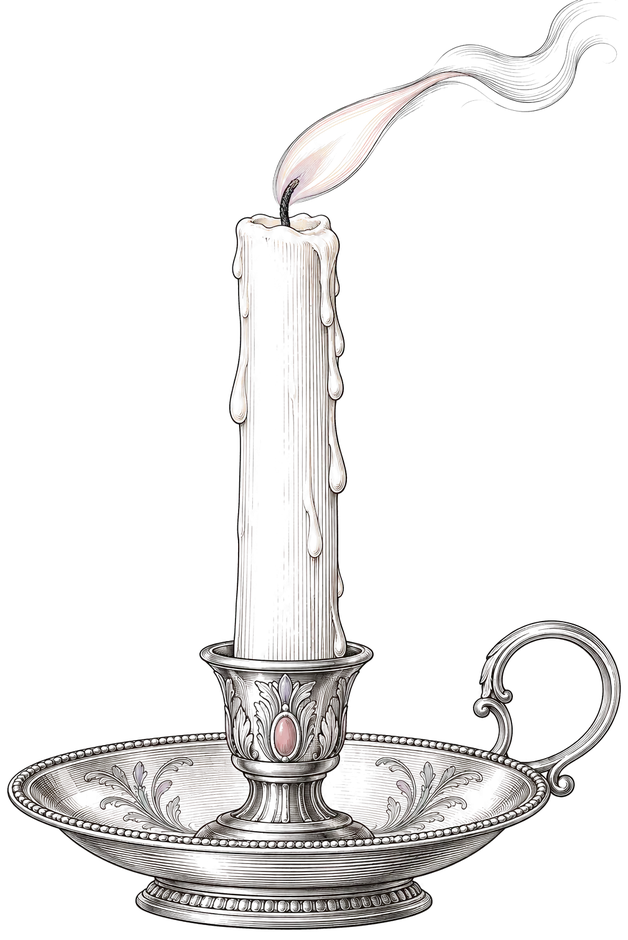
A candle whose flame leans evenly to one side under a stream of air, a short trail of smoke behind it

01

What does the word breathwork actually cover?

At the quiet end are slow paced practices. Box breathing with four counts in, four hold, four out, four hold. Coherent breathing at around six breaths a minute. The physiological sigh, two inhales through the nose and one long exhale through the mouth. Next to them sits yogic pranayama, centuries older and far more formal, nadi shodhana alternating the nostrils, ujjayi with its soft throat sound. Further along are conscious connected breathing and rebirthing, where you breathe without pauses for thirty minutes or more. At the far end sit holotropic breathwork, developed by Stanislav and Christina Grof, and the Wim Hof method with its cycles of rapid breathing and breath holds. If you found this word through stress or sleep, you are looking at the quiet end.

02

Which technique do you need for what?

To calm down, make the exhale longer than the inhale. Four counts in through the nose, six out through the mouth, for five minutes, and that is the one thing on this page most people can use today. Box breathing does the same job with a squarer shape. The double inhale and long sigh works fastest, two inhales and one slow release, and three rounds are usually enough. To wake up and sharpen, faster paced work such as kapalabhati, a minute or two, seated, never while driving. To fall asleep, breathe slowly on your back and count, because counting occupies the part of the mind that keeps rehearsing tomorrow. To sit with a hard feeling, watch the breath and change nothing. The slow ones are safe to self teach. The intense ones are not.

The nine, side by side

Every technique the page names, with the shape of its own rhythm.

The curve is the tempo. A long exhale really does spend more of its width coming down than going up, a square really is four equal sides, and the intense end really is that ragged. Read the shape first and the words second.

Physiological sigh

Two inhales, one long release, three rounds

The fastest thing on the page. Two inhales through the nose, one slow exhale through the mouth.

Safe to self teach

Box breathing

Four in, four hold, four out, four hold

The same calming job as a long exhale, in a squarer shape. Four equal sides.

Safe to self teach

Coherent breathing

Around six breaths a minute

Lines the rhythm of the heart up with the rhythm of the breath. The most reliably measured effect in the field.

Safe to self teach

Ujjayi

No fixed count on this page

Pranayama, centuries older and far more formal. A soft sound made in the throat carries the pace.

Safe to self teach

Nadi shodhana

No fixed count on this page

Pranayama that alternates the nostrils, one side breathing in while the other is closed.

Safe to self teach

Kapalabhati

A minute or two, seated, never while driving

Faster paced work, for waking up and sharpening rather than for settling down.

Not to be self taught

Conscious connected breathing

Thirty minutes or more, no pauses

Rebirthing belongs here too. The pauses are removed on purpose, and the session runs long.

Not to be self taught

The Wim Hof method

Cycles of rapid breathing and breath holds

Rapid rounds, then a hold. Never in water, and a blackout underwater arrives without warning.

Not to be self taught

Holotropic breathwork

Two hours, with a facilitator in the room

Developed by Stanislav and Christina Grof. It belongs in a room with a trained facilitator, not alone with a video.

Not to be self taught

What are the real risks and how do you avoid them?

Never do intense breathing or breath holds in water. Not in a pool, a lake or the bath. People have drowned doing this, and a blackout underwater arrives without warning. Never while driving or standing. Lie down or sit on the floor where you cannot fall. Fainting is common enough that teachers plan for it. Skip intense work if you are pregnant, or live with epilepsy or a seizure history, uncontrolled high blood pressure, a heart condition, an aneurysm or a past stroke, glaucoma or recent eye surgery, severe asthma, psychosis or bipolar disorder. These sessions can bring trauma up with force, which is why they belong in a room with a trained facilitator rather than alone with a video. If you feel faint, stop and breathe normally. Nothing is lost by stopping.

What does the physiology actually say?

A long exhale raises vagal tone and the heart slows within a few beats. That is why the sigh works so quickly, and it is a reflex rather than a belief. Breathing at around six cycles a minute lines the rhythm of the heart up with the rhythm of the breath, which is the most reliably measured effect in this whole field. The urge to breathe comes from rising carbon dioxide, not from falling oxygen. Fast breathing blows carbon dioxide off faster than the body makes it, and that is where tingling hands, dizziness and the numb ring around the mouth come from. The strong emotion in an intense session is partly this chemistry. That explains the sensations. It does not settle what they mean, and it is not evidence for any claim about healing.

Quiet to intense

One word covers a desk-side exhale and two hours on a mattress.

The axis is how hard the practice leans on the body, not how deep it goes. Most people arriving at this word want the left-hand end. The shaded half is where the risks live, and they are worth naming rather than softening.

Not to be self taught

Skip this half entirely if you are pregnant, or live with epilepsy or a seizure history, uncontrolled high blood pressure, a heart condition, an aneurysm or a past stroke, glaucoma or recent eye surgery, severe asthma, psychosis or bipolar disorder.

Never in water. Not a pool, not a lake, not the bath.

05

What happens in a facilitated session, and how do you choose one?

A good session starts before you book. The facilitator asks about your health, your medication, your psychiatric history, and tells you plainly how intense the breathing will be and how long it runs. On the day you lie down with a blanket and water within reach. Music carries the pace. Someone in the room has no job except watching people and coming over when a hand goes up. The ending is unhurried, with time on your back, time sitting, tea, a slow walk out. Nobody is talked into continuing. The red flags mirror all of that. No health questions at booking. Sessions sold as therapy or as a treatment for something. A facilitator who pushes you past a stop you asked for, or who calls a panic response a breakthrough to be driven through.

06

How do you build a small daily practice?

Five minutes of the calming pattern, once a day, at a fixed time. Attach it to something that already happens, the kettle in the morning or the moment you close the laptop. Four counts in, six out, sitting upright, eyes open or closed. If you miss a day, start again the next day without a ledger. What changes over a few weeks is modest and worth having. Most people notice they come down faster after a stressful hour and fall asleep a little more easily. That is the honest claim. At a retreat, breath usually sits between meditation and movement, ten quiet minutes before a sit or after a long walk, less a headline event than the thing that makes the rest land.

The one to try today

Four counts in, six counts out.

The ring runs the pattern the page recommends: in through the nose for four, out through the mouth for six, exhale always longer than the inhale. Follow it for five minutes, or just watch it once to see the shape.

Five minutes, once a day, at a fixed time. If you miss a day, start again the next day without a ledger.

An honest boundary

When this belongs with a specialist rather than a practice

Get medical advice rather than a teacher’s opinion if you have chest pain, if you are breathless at rest or on light effort, if you faint or nearly faint during any practice, if breathing difficulty is getting worse over days, or if your asthma pattern is changing and you are reaching for the inhaler more often. Chest pain that spreads into an arm or the jaw is an emergency, call for help now. Some people meet their first real panic attack through this work, racing heart, a sense of suffocation, a conviction that something terrible is happening. That is treatable and worth naming to a doctor rather than breathing through alone. If you have a diagnosed heart, lung, neurological or psychiatric condition, or you are pregnant, ask your own doctor before any intense practice, not the person selling the session. Breathwork is not a treatment for a medical or a mental health condition. Nothing here is a diagnosis or a substitute for care.

Questions

What people ask before they try any of it.

Is breathwork safe?

Slow breathing is safe for almost everyone and you can learn it from a page like this one. Intense breathing is a different question. It reliably produces dizziness, tingling and sometimes fainting, and it is not appropriate during pregnancy or with epilepsy, uncontrolled blood pressure, heart conditions, glaucoma, severe asthma, psychosis or bipolar disorder. Never near water. With those lines respected, most people do it without harm.

Can breathwork be dangerous?

Yes, in specific and avoidable ways. Breath holds in water have killed people, in pools and in lakes, because a blackout underwater arrives without warning. Fainting during intense sessions is common enough that teachers expect it, so you practise lying down and never standing or driving. Hyperventilation can also trigger muscle spasm in the hands, and it can surface trauma with a force that is hard to handle alone.

How long should you do breathwork for?

For calming patterns, five minutes is enough to feel a shift and ten is plenty. Sharp energising work should stay under two minutes at a time. A facilitated intense session usually runs one to two hours of breathing inside a longer meeting, with a slow ending built in. Longer is not better here. The useful measure is regularity, a short practice most days beats an hour once a month.

Why do my hands tingle and my face go numb during breathwork?

Because fast breathing removes carbon dioxide faster than your body produces it. Blood becomes more alkaline, calcium behaves differently at the nerve endings, and you get pins and needles in the hands and feet, a numb ring around the mouth, and sometimes the hands curling into a claw. It is uncomfortable and it is not damage. Slowing down and breathing normally reverses it within a few minutes.

Can you do breathwork every day?

Slow breathing, yes, daily and more than once a day if you want. It asks very little of the body. Intense practices are a different case and most teachers suggest spacing them out by weeks, because they take something out of you and because the material they raise needs time to settle. If a daily practice starts to feel compulsive or leaves you wrung out, that is a sign to make it shorter, not longer.

Where next

Four counts in, six counts out. That part you can use today.

Breath is the doorway most people find easiest, and it leads straight into sitting practice. If you came here because of anxiety, there is a page written for exactly that, and an hour of sound asks even less of you.

MeditationMeditation for anxietySound bath

Read here as a language of symbols. Medical, legal and financial questions belong with a professional.