Amber: Meaning, Properties and How to Use It
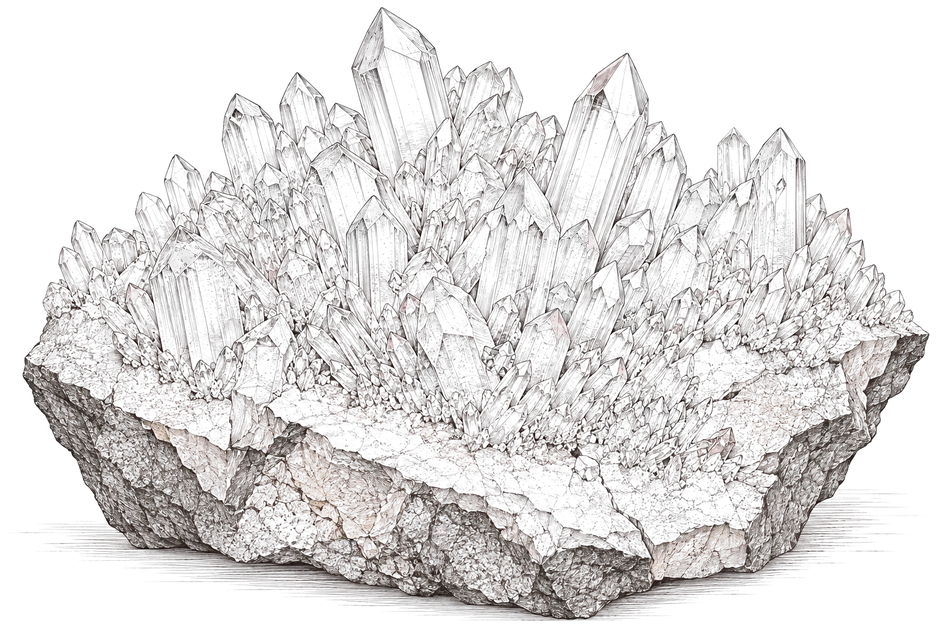
Amber is not a mineral but fossil tree resin, and traditions treat it as stored warmth and stored time. It is credited with comfort, with family continuity, and with taking the edge off a cold or anxious stretch. Baltic and Chinese sources both call it the soul of the forest.
What tradition says
What is Amber known for?
Along the Baltic it was strung for children and brides and passed down until the beads went round and soft. Chinese tradition connected it to the tiger and to courage held quietly. Greek writers noticed it picks up static and lifts small things, and built a whole reputation for attraction on that. The common thread is domestic rather than mystical. Amber is the stone of a warm house and people who came before you.
The practice
How do you use Amber?
Keep it where the family actually sits.
Amber is one of the few stones traditionally used as a room object, a bowl of raw pieces on the table, beads left on a hook by the door.
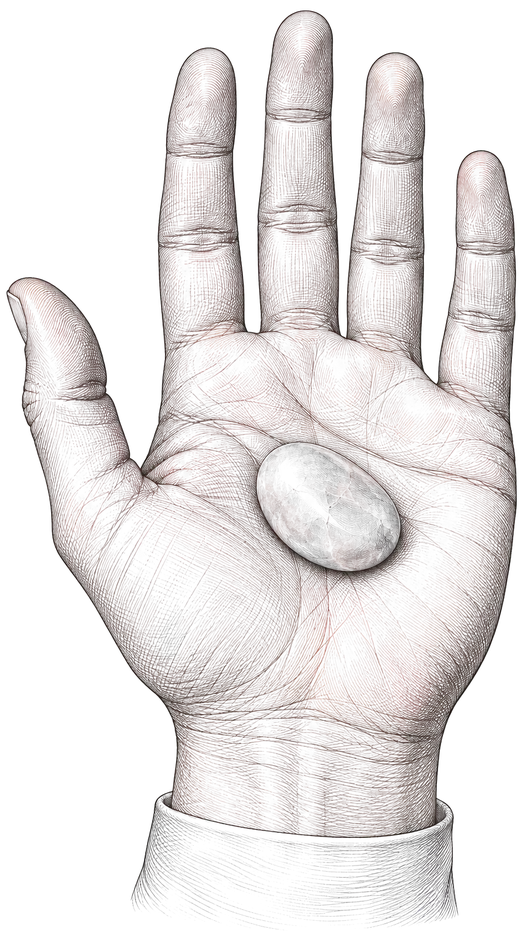
Warmed in the hand it releases a faint pine smell, and holding it until that happens is the practice itself.
Read here as a language of symbols. Medical, legal and financial questions belong with a professional.
Two more
What does Amber pair with?
Stones are kept in small sets rather than alone, and these two are the usual company for this one.
What it is kept for
What do people reach for Amber for?
The same stone, read through the thing you came here with.
Questions
What else do people ask about Amber?
Is amber a crystal at all?
Not technically. It is organic, fossilised conifer resin between about thirty and ninety million years old, with no crystal structure. Crystal practice includes it anyway, alongside pearl, jet and coral, because the traditions that use it are older than the mineralogy.
Do amber teething necklaces work?
There is no evidence that they do, and paediatric bodies in several countries warn against them because of strangulation and choking risk for a sleeping child. Keep amber in the house as a warm object. Do not put a necklace on a baby.
Next in the library
The stones beside this one.
Two ways on
One stone is a reminder, a library is a map.
A hundred and four stones and sixty four everyday uses, sorted the way a week arrives. If you came here through the body rather than the mineral, the seven chakras are the other way in.
- 104
- stones, each with what tradition says
- 64
- everyday uses, six stones under each
- 7
- centres, the same set read through the body