Honey Calcite: Meaning, Properties and How to Use It
Honey calcite is associated with will and persistence — the stretch of a project after the excitement has gone and before the end is in sight. Traditions give it warm, unhurried confidence rather than a burst of drive. It is read as the stone of finishing.
What tradition says
What is Honey Calcite known for?
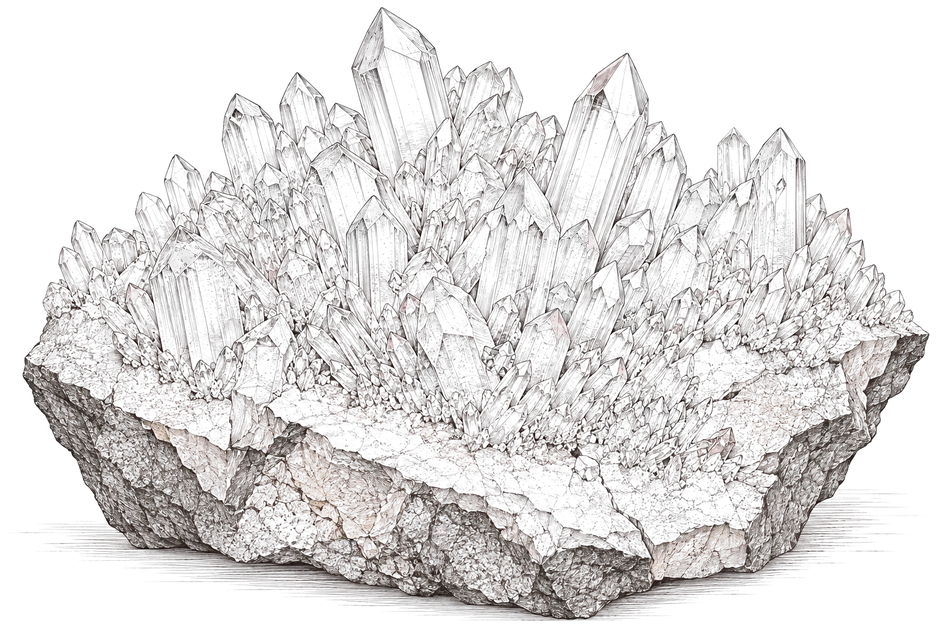
Amber to golden brown, usually from Mexico and often cut as cubes or palm stones, honey calcite owes its colour to iron. Like the rest of the calcites it has no old magical tradition and was given a meaning by colour association: gold for confidence, warmth for staying power. Practitioners tend to hand it to people who start beautifully and abandon things at seventy per cent, which is most people.
The practice
How do you use Honey Calcite?
Use it at the boring middle rather than the launch.
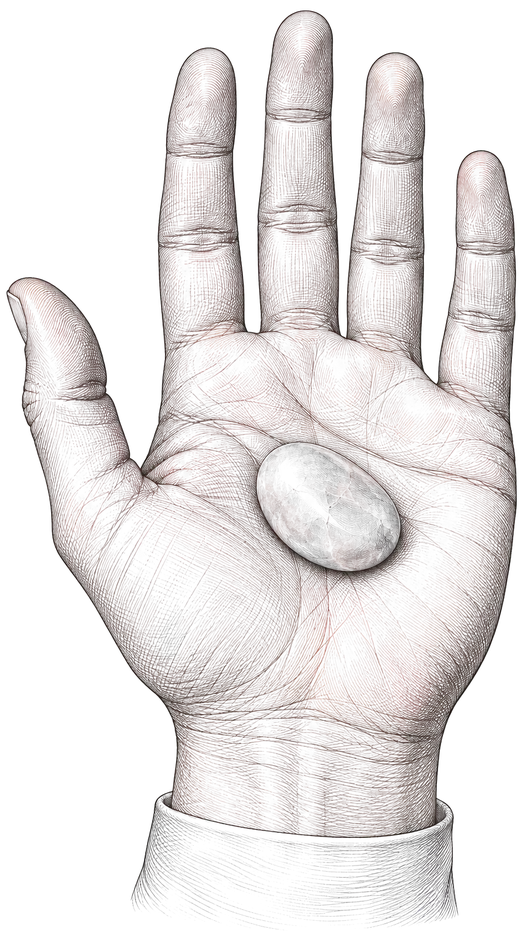
Put the cube on the page or beside the laptop only while working on the one unfinished thing, and take it off the desk when you stop.
Over a few weeks it becomes a visible marker of whether the thing is being worked on at all.
Read here as a language of symbols. Medical, legal and financial questions belong with a professional.
Two more
What does Honey Calcite pair with?
Stones are kept in small sets rather than alone, and these two are the usual company for this one.
What it is kept for
What do people reach for Honey Calcite for?
The same stone, read through the thing you came here with.
Questions
What else do people ask about Honey Calcite?
Is honey calcite the same as citrine?
No, and the difference is easy. Citrine is quartz and will scratch glass; honey calcite is soft enough to mark with a copper coin. Calcite is also usually cloudier and waxier in lustre.
Why do calcite cubes break so cleanly?
Calcite has perfect cleavage in three directions, so it splits into rhombs along its own internal planes. A drop on a hard floor usually produces smaller neat cubes rather than dust.
Next in the library
The stones beside this one.
Two ways on
One stone is a reminder, a library is a map.
A hundred and four stones and sixty four everyday uses, sorted the way a week arrives. If you came here through the body rather than the mineral, the seven chakras are the other way in.
- 104
- stones, each with what tradition says
- 64
- everyday uses, six stones under each
- 7
- centres, the same set read through the body